Different Ways Teams Use LinkedIn Company Pages for Prospecting
{{brizy_dc_image_alt imageSrc=

LinkedIn Company Pages are one of the most misunderstood assets in B2B prospecting.

Most people either ignore them completely or treat them like static directories. In reality, Company Pages sit at the intersection of brand, hiring activity, growth signals, and positioning. How you use them depends entirely on how you sell.

There isn’t one “correct” way to prospect using LinkedIn Company Pages. There are multiple approaches, each optimized for different outcomes. The problem isn’t that people are doing it wrong — it’s that they’re often using the right page in the wrong way.

The Passive Research Approach

Some teams use Company Pages purely for background research.

They check what the company does, skim the description, glance at employee count, and maybe look at recent posts. This usually happens right before outreach, or after a lead has already been identified elsewhere.

This approach is low effort and low risk. It adds context without changing the workflow much.

The downside is that Company Pages become an afterthought. Signals like hiring momentum, changes in positioning, or recent activity often go unnoticed because nothing is captured or compared consistently.

It’s useful, but shallow.

The SDR and Sales-Led Approach

Sales teams often use Company Pages more deliberately.

They look for size, industry, growth indicators, and alignment with their ICP. Company Pages help validate whether an account is worth spending time on before moving to contacts.

This approach works well when paired with structured research, but it breaks down when everything stays manual. Notes live in different places. Signals get interpreted differently by different reps. Context disappears once the browser tab is closed.

The intent is strong, but the execution is fragile.

The Founder and Operator Approach

Founders and small teams tend to use Company Pages more intuitively.

They look for clarity of focus, maturity, and whether the company “feels” like a fit. They notice tone, messaging, and how the business presents itself publicly.

This qualitative read is often accurate, but it doesn’t scale. After reviewing dozens of pages, it becomes difficult to remember why one company stood out and another didn’t.

Decisions become slower, not because the signal isn’t there, but because it isn’t preserved.

Automation and Data-First Workflows

Some teams treat Company Pages as just another data source.

They extract employee counts, industries, locations, and feed that data into enrichment pipelines or outbound systems. This can be efficient for volume-driven motions.

The tradeoff is context. Company Pages are designed to convey narrative — what a company is building, how it presents itself, and where it’s headed. When everything is reduced to fields, important nuance disappears.

This approach optimizes for scale, but often sacrifices judgment.

Where the Advantage Actually Shows Up

The real leverage isn’t in choosing the “right” approach. It’s in supporting the one you already use.

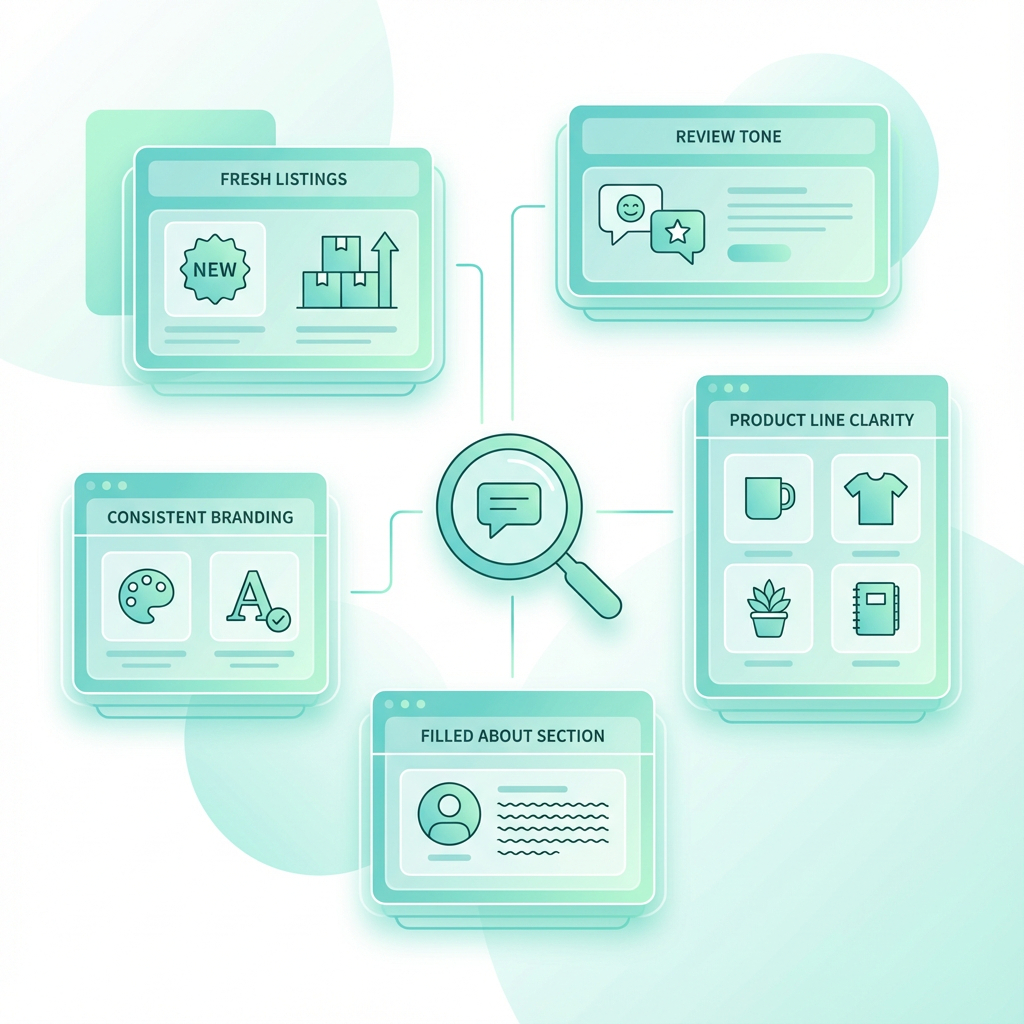
Company Pages contain signals that are easy to spot while browsing, but easy to lose once you move on. When those signals are captured at the moment you notice them and structured consistently, decision-making improves.

You don’t have to abandon manual research.

You don’t have to automate everything.

What matters is whether your workflow helps you answer the same question, reliably:

“Is this company worth contacting right now?”

When that decision gets easier and faster, outreach improves — regardless of team size or sales motion.

Using Company Pages as a Qualification Layer

The teams that get the most value from LinkedIn Company Pages don’t treat them as lead lists. They treat them as a qualification layer.

They use Company Pages to:

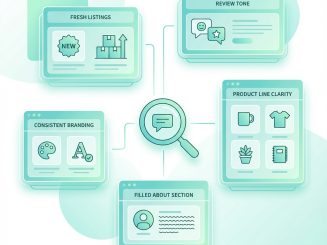
  • Confirm company focus and maturity
  • Identify growth or hiring signals
  • Understand positioning before outreach
  • Decide where to spend time, not just who to contact


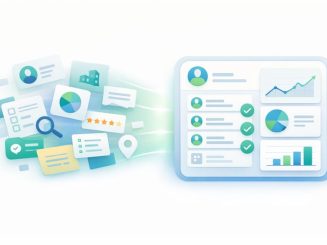
When this information is structured instead of remembered, Company Pages stop being passive references and start becoming decision tools.

Final Thought

LinkedIn Company Pages weren’t built for scraping or bulk extraction. They were built to communicate intent.

How you use them should reflect how you sell.

Whether you’re running high-volume outbound, targeted agency outreach, or founder-led sales, Company Pages can add real leverage — as long as the signals you see don’t disappear the moment you close the tab.

Turn LinkedIn Company Pages Into Qualified Leads

Capture company context, growth signals, and positioning while you research — and decide who’s worth contacting without losing momentum.


Install Lead3r and extract fully enriched LinkedIn Company profiles in one click.

No credit card required

Latest Articles

Stay up to date with practical guides on extracting leads, qualifying prospects, and sending smarter outreach. Every post is written for freelancers, creators, and operators who want faster, clearer prospecting workflows.
{{brizy_dc_image_alt entityId=
Find Etsy Sellers Fast — Complete Lead Generation Guide (2025)
Stop wasting hours manually checking Etsy shops. Learn the fastest way to find Etsy sellers, extract structured data, and qualify leads in minutes.
{{brizy_dc_image_alt entityId=
The Fastest Way to Qualify Etsy Shops for Outreach in Minutes
Qualify Etsy shops quickly without spreadsheets, scraping, or guesswork. Learn the exact signals that matter and how to evaluate Etsy sellers in minutes.
{{brizy_dc_image_alt entityId=
Best Etsy Lead Qualification Workflows to Find Sellers Fast
Learn simple, reliable workflows for finding Etsy sellers, evaluating shops, and qualifying leads without scraping tools or manual data entry.
{{brizy_dc_image_alt entityId=
Why Manual Etsy Research Wastes Hours and What To Do Instead (2025 Guide)
Manual Etsy research is slow, inconsistent, and impossible to scale. Learn why Etsy workflows break down and the exact system you should use instead to qualify shops faster and save hours every week.
{{brizy_dc_image_alt entityId=
5 Signals That Predict Whether an Etsy Shop Will Respond to Outreach (2025 Guide)
HomeFeaturesHow It WorksPlatformsPricingLoginSign Up 5 Signals That Predict Whether an Etsy Shop Will Respond to Outreach Reaching out to Etsy sellers can feel like a coin flip. Some respond instantly. Others never will. The difference is not random. Most of the time, a seller’s likelihood of replying is visible in their shop before you send […]
{{brizy_dc_image_alt entityId=
How to Tell If a Business Is Worth Contacting
Learn how to judge lead quality before outreach. Avoid bad leads by spotting real activity, contact signals, and decision-maker visibility.
{{brizy_dc_image_alt entityId=
Why Most Lead Generation Fails Before Outreach
Why Lead Generation Fails Before You Ever Reach Out
{{brizy_dc_image_alt entityId=
How People Actually Find Leads on Google Maps
A practical look at how people find leads on Google Maps, the tradeoffs of each method, and where real advantage is created.
{{brizy_dc_image_alt entityId=
How Teams Use LinkedIn Company Pages for Prospecting
A practical look at how teams use LinkedIn Company Pages for prospecting, qualification, and outreach — and where the real leverage comes from.
{{brizy_dc_image_alt entityId=
Automation vs Manual Lead Research: What Actually Scales
HomeFeaturesHow It WorksPlatformsPricingLoginSign Up Automation vs Manual Research vs Hybrid Tools: What Actually Scales Most conversations about lead generation frame things as a fight.Manual research versus automation.Scraping versus “safe” tools.Speed versus quality.In practice, teams don’t pick sides. They pick what works well enough for where they are right now.The real question isn’t which approach is […]
{{brizy_dc_image_alt entityId=
Why Google Maps Is One of the Most Underrated Prospecting Channels
Google Maps is often treated as a simple directory, but it’s packed with real-world business signals. Used correctly, it can become one of the most effective prospecting channels available.
{{brizy_dc_image_alt entityId=
How to Qualify High-Intent Agencies on Clutch (Without Guesswork)
HomeFeaturesHow It WorksPlatformsPricingLoginSign Up How to Qualify High-Intent Agencies Using Clutch Profiles Clutch is one of the best places on the internet to find agencies that are actively selling services. It’s also one of the most frustrating platforms to use for outreach if you don’t have a clear way to qualify what you’re seeing. On […]
{{brizy_dc_image_alt entityId=
Why Platform Choice Matters in B2B Lead Generation
Compare Google Maps, LinkedIn, and review platforms to see where the best B2B leads come from — and how teams use them together.
{{brizy_dc_image_alt entityId=
How to Research B2B Leads at Scale (Without Scraping)
Learn how B2B teams research large volumes of leads without scraping or automation—while preserving signal, context, and control.
{{brizy_dc_image_alt entityId=
How to Increase B2B Lead Throughput Without Waste
HomeFeaturesHow It WorksPlatformsPricingLoginSign Up How to Increase B2B Lead Throughput Without Increasing Waste Most B2B teams don’t struggle to generate leads. They struggle to turn lead generation effort into predictable revenue. More tools, more data, and more volume don’t automatically translate into better outcomes. In fact, as lead volume increases, many teams see the opposite: […]
{{brizy_dc_image_alt entityId=
How to Find High-Intent Businesses on Google Maps (Step-by-Step)
Learn how to identify high-intent local businesses on Google Maps using real-world signals like activity, responsiveness, and context—not guesswork.
{{brizy_dc_image_alt entityId=
Why LinkedIn Company Pages Are Still a Top B2B Lead Source
Learn why LinkedIn company pages remain one of the most effective B2B lead sources—and how teams use them to research, qualify, and prioritize outreach.
{{brizy_dc_image_alt entityId=
Etsy Jewelry Leads: What Qualified Sellers Actually Look Like
This article shows a real example of qualifying handmade jewelry sellers on Etsy. See how consistent criteria are applied to large seller pools to surface leads that are actually worth contacting.