Why LinkedIn Company Pages Are Still One of the Best B2B Lead Sources
Every few years, LinkedIn gets written off.
Too noisy. Too competitive. Too saturated. Too automated. And yet, for teams doing serious B2B outreach, LinkedIn company pages continue to outperform most alternatives—especially when relevance matters more than raw volume.
That isn’t because LinkedIn is perfect. It’s because company pages still offer something that many other platforms don’t: clear, contextual signals about how a business operates right now.
When you’re deciding who is actually worth contacting, that context makes all the difference.
Company Pages Show Structure, Not Just Presence
Most platforms tell you that a business exists. LinkedIn company pages go a step further by showing how that business presents itself professionally.
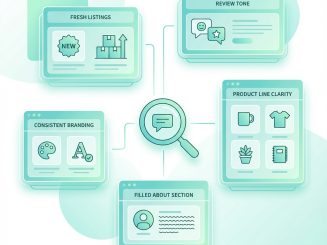
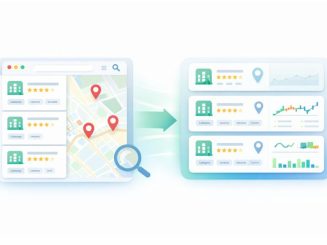
You can see headcount ranges, hiring activity, industry focus, geographic footprint, and recent updates—all in one place. None of these signals are decisive on their own, but together they form a picture that’s difficult to fake and surprisingly hard to replicate elsewhere.
A company page that’s actively maintained, aligned with its website, and supported by real employee profiles usually indicates an organization that is operational, reachable, and accustomed to external communication.
That matters far more than follower counts.
Why Company Pages Beat Personal Profiles for Research
Individual profiles are useful, but they’re volatile.
People change jobs, go inactive, or curate their presence aggressively. Outreach based purely on individual profiles often requires constant re-validation just to confirm that the context still holds.
Company pages, by contrast, move more slowly—and that’s a feature.
They act as a stable reference point. Even when employees come and go, the company page preserves continuity: brand positioning, service focus, growth signals, and organizational intent. When you start with the company rather than the individual, you reduce guesswork before outreach even begins.
This is why many teams now treat company pages as the starting point, not the destination.
The Real Advantage: Signal Density Without Guesswork
LinkedIn company pages work well because they concentrate multiple decision-making signals into a single view.
You’re not just looking at what a business says it does. You’re seeing:
- How it positions itself
- Whether it’s hiring
- How large it claims to be
- Whether it invests in visibility at all
None of this guarantees a response. But it dramatically improves your odds compared to platforms where profiles are incomplete, outdated, or purely transactional.
In practice, this means fewer wasted touches and fewer follow-ups that go nowhere.
Where Most LinkedIn Workflows Break Down
The weakness isn’t LinkedIn itself. It’s what happens after research begins.
Most workflows still rely on a familiar pattern: browse, mentally evaluate, then copy fragments of data into a spreadsheet or CRM. The problem is that judgment doesn’t survive the transition well.
What made a company feel like a good fit—its positioning, activity level, or hiring context—often disappears once you reduce it to rows and columns. When you come back later, you’re left trying to reconstruct decisions from incomplete data.
That’s when prioritization slows down and confidence erodes.
Turning Company Page Research Into a System
Effective LinkedIn prospecting doesn’t require automation for its own sake. It requires preserving context while it’s still fresh.
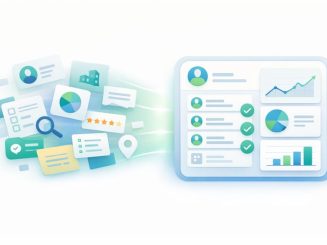
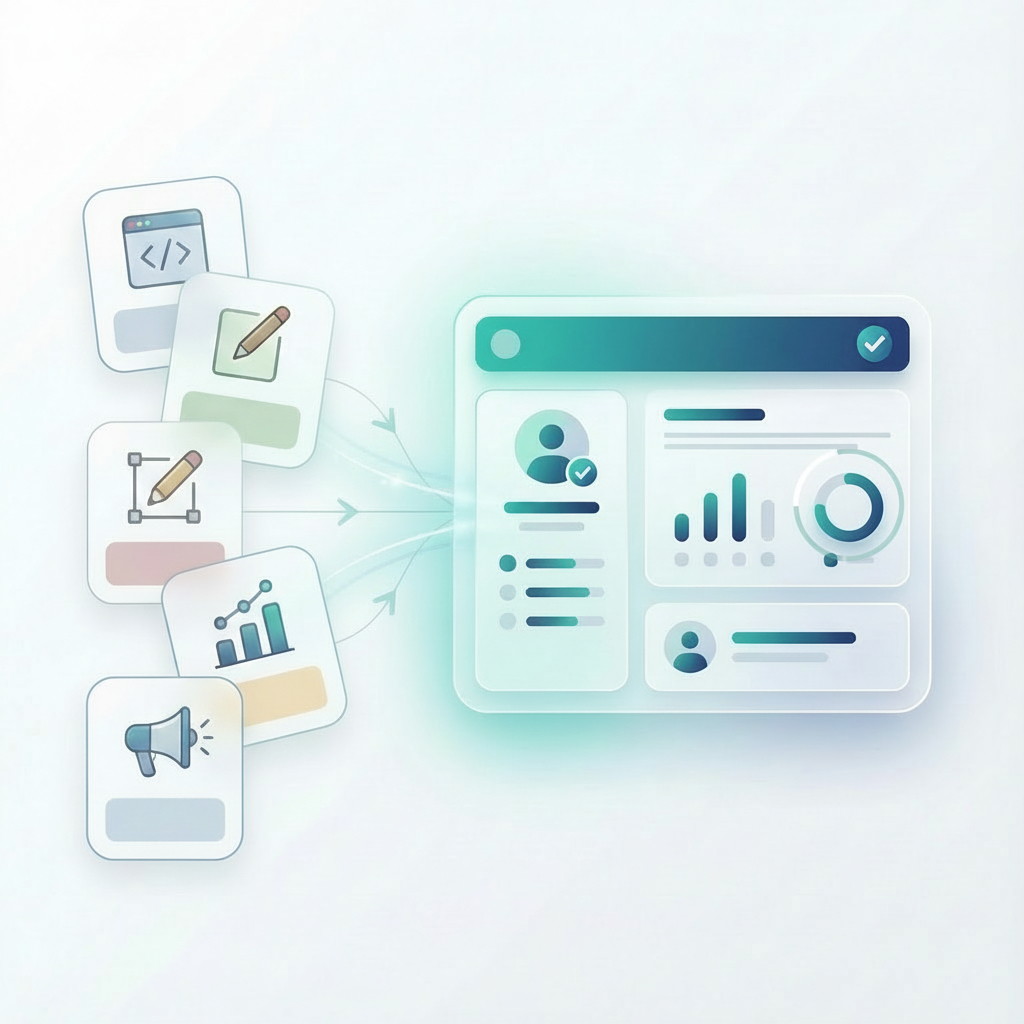
When research and qualification happen together, company pages become far more powerful. You’re no longer revisiting the same profiles to remember why they mattered. You’re not second-guessing which companies felt promising. The reasoning behind each decision stays attached to the data.
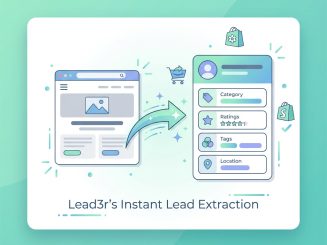
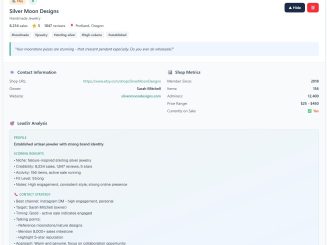
This is exactly the gap Lead3r is designed to close—allowing teams to research and qualify businesses directly from LinkedIn company pages, while capturing the signals that actually influenced the decision in the first place.
When that context is preserved, outreach becomes simpler and more consistent.
When LinkedIn Company Pages Make the Most Sense
Company page prospecting is especially effective for:
- B2B services with defined ICPs
- Agencies targeting specific company sizes or industries
- Teams selling solutions that require organizational buy-in
In these cases, understanding who the company is matters more than finding as many contacts as possible.
If your strategy depends on relevance, timing, and alignment, LinkedIn company pages remain one of the clearest research surfaces available.
Final Thought
LinkedIn hasn’t stayed relevant because it’s trendy. It’s stayed relevant because company pages still reflect how businesses want to be understood professionally.
When you treat them as research assets—not just lead sources—you gain something most platforms can’t offer: confidence before outreach.
And in B2B, that confidence is often what separates momentum from noise.
Turn Any Business Into a Qualified Lead in Seconds
Stop wasting time opening tabs, copying data, and guessing who is worth contacting.
No credit card required
Latest Articles
Stay up to date with practical guides on extracting leads, qualifying prospects, and sending smarter outreach. Every post is written for freelancers, creators, and operators who want faster, clearer prospecting workflows.