How to Increase B2B Lead Throughput Without Increasing Waste
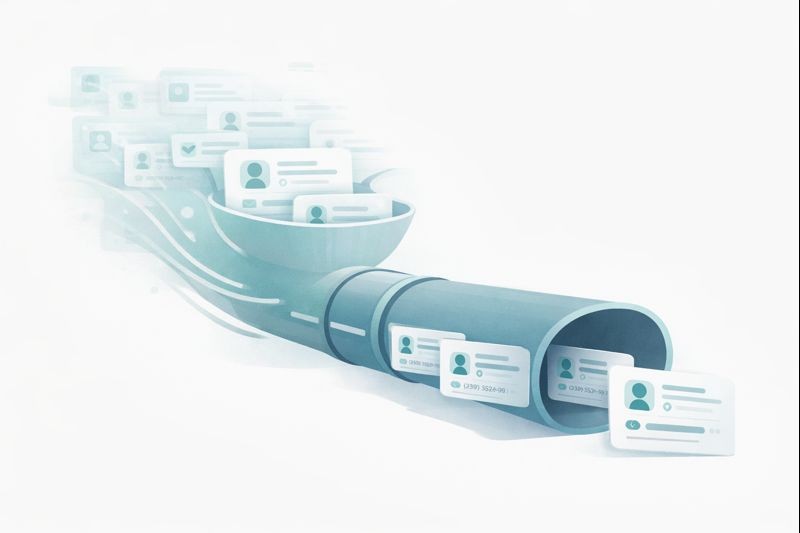
Most B2B teams don’t struggle to generate leads. They struggle to turn lead generation effort into predictable revenue.
More tools, more data, and more volume don’t automatically translate into better outcomes. In fact, as lead volume increases, many teams see the opposite: slower pipelines, lower conversion rates, and more time spent disqualifying leads that never should have been contacted.
The problem isn’t volume itself.
It’s waste.
This article breaks down where waste actually enters B2B prospecting workflows — and how teams increase lead throughput without creating more of it.
Why More Activity Often Produces Less Revenue
On paper, most lead generation systems look fine.
Leads are flowing. Lists are being built. Outreach volume is increasing. Activity metrics are up. Yet revenue lags behind effort.
The disconnect usually appears in the middle of the funnel.
Sales teams spend time:
- Verifying whether businesses are real
- Figuring out what the company actually does
- Determining if outreach even makes sense
- Disqualifying leads that shouldn’t exist in the CRM
None of that work generates revenue. It only compensates for weak inputs.
When volume increases without improving signal, throughput drops — even though activity goes up.
Waste Enters Earlier Than Most Teams Think
Most teams assume waste happens during outreach.
In reality, it usually enters much earlier — during research.
When leads are collected without sufficient context, qualification is pushed downstream. Decisions that should happen during research get deferred until after data has already been handed off to sales.
At that point, every bad lead costs:
- Time
- Attention
- Pipeline trust
Multiply that by scale, and waste quietly becomes the dominant cost of growth.
Throughput Comes From Earlier Decisions, Not More Automation
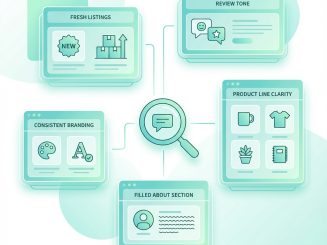
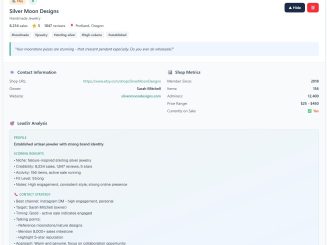
The absolute number of reviews matters, but the tone matters more. Reviews that mention communication, fast shipping, reliability, or custom orders tell you that the seller is engaged and capable of managing messages professionally.
If reviews are sparse or consistently neutral with no mention of service quality, responsiveness is usually weaker. If customers complain about delays or unanswered messages, treat it as a confirmed red flag.
Reviews are not just about reputation. They reveal the seller’s behavior.
4. Product Line Clarity
It’s tempting to treat automation as the solution.
Automate collection.
Automate enrichment.
Automate outreach.
The issue is that automation doesn’t eliminate bad decisions — it just makes them faster.
Teams that improve throughput sustainably do something different. They move judgment earlier in the process instead of trying to automate around it.
That means:
- Deciding which businesses are worth saving before they enter the system
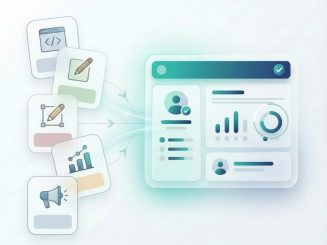
- Capturing context at the moment of discovery
- Applying structure before volume increases
Automation works best when it supports judgment, not when it replaces it.
What High-Throughput Lead Research Actually Looks Like
High-throughput research doesn’t feel frantic. It feels controlled.
Researchers move quickly, but deliberately. They evaluate businesses in context, make fast go/no-go decisions, and only capture leads that clear a basic qualification bar.
The difference isn’t effort.
It’s where effort is spent.
Instead of cleaning up bad data later, time is invested upfront — when disqualification is cheap and decisions are clear.
That’s how teams research more leads per hour without increasing waste.
Why Platform Context Matters for Throughput
Not all platforms expose the same signals, and that matters for decision speed.
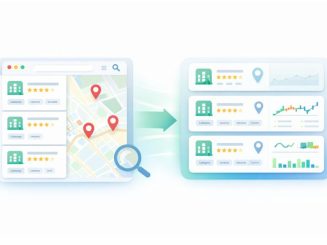
On Google Maps, operational signals are immediate. Location, reviews, activity, and presence help quickly answer whether a business is real and reachable.
https://lead3r.net/platforms/google-maps-lead-extraction/
On LinkedIn Company Pages, organizational signals dominate. Company size, hiring behavior, and positioning help determine whether outreach aligns with the target profile.
https://lead3r.net/platforms/linkedin-company-leads/
On review-based platforms, reputation signals appear early. Customer sentiment often reveals demand, churn risk, or service gaps before outreach begins.
https://lead3r.net/platforms/trustpilot-business-leads/
Throughput increases when these signals are evaluated before a lead is captured — not after.
Why Raw Lead Lists Collapse at Scale
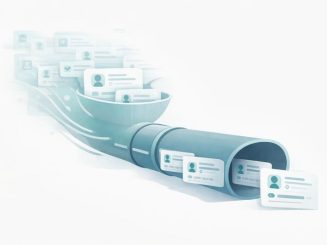
Raw lead lists promise speed by abstracting away research.
At small volumes, teams tolerate the noise. At scale, that noise compounds.
Lists lack context. Fields don’t align. Signals are flattened. Qualification gets deferred until outreach — when mistakes are expensive.
The result is predictable:
- Lower reply rates
- More sales friction
- Less trust in the pipeline
- Slower revenue per unit of effort
This isn’t a tooling failure. It’s a workflow failure.
Reducing Waste Without Slowing Down
The goal isn’t to slow research down or “be more careful.”
The goal is to eliminate work that doesn’t contribute to revenue.
That usually means:
- Removing copy-paste and reformatting work
- Applying consistent structure across platforms
- Preserving the context that made a lead interesting
- Disqualifying earlier instead of later
When waste is removed, throughput increases naturally — without increasing headcount or activity.
Throughput Is a Systems Problem, Not a Hustle Problem
Teams often frame lead generation as an effort problem: work harder, send more, move faster.
In reality, it’s a systems problem.
If the system allows low-signal leads to enter unchecked, no amount of hustle fixes the downstream cost. If the system supports early judgment and consistent structure, throughput improves without pushing people harder.
That’s the difference between scalable growth and fragile growth.
Keeping Volume High Without Letting Waste Compound
Scaling prospecting doesn’t require fewer leads.
It requires:
- Better decisions earlier
- Structure applied at the point of research
- Context preserved across platforms
- A workflow that treats waste as a cost, not a side effect
Teams that get this right don’t argue about quality versus quantity. They generate volume without paying the waste tax.
For teams researching across multiple sources, maintaining a coherent workflow matters more than the number of platforms involved.
Final Thoughts
Increasing B2B lead throughput isn’t about chasing more data or automating faster.
It’s about ensuring that each unit of effort produces usable output.
When judgment happens early, structure is applied consistently, and context is preserved, scale stops being fragile. Volume increases without dragging inefficiency along with it.
Money doesn’t care how many leads you touched.
It cares how smoothly effort turns into revenue.
Increase Your Lead Throughput
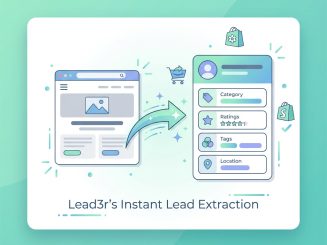
Extract structured leads from the pages you already research.
No credit card required
Latest Articles
Stay up to date with practical guides on extracting leads, qualifying prospects, and sending smarter outreach. Every post is written for freelancers, creators, and operators who want faster, clearer prospecting workflows.