The Fastest Way to Qualify Etsy Shops Without Guessing
(Real Guide for Freelancers, Creators and Agencies)
Most people waste hours trying to qualify Etsy shops because they rely on manual browsing, scattered clues, and vague signals. Etsy never intended its platform to be used for prospecting, so you are forced to pull insights from a page layout that changes constantly, hides important data, and gives you no structure.
This guide breaks down the most reliable way to qualify Etsy shops quickly and accurately. If you are a freelancer, creator, consultant, or agency operator, this is the method that will save you hours every single week.
Why Qualifying Etsy Shops Is So Hard
Everyone who tries to evaluate Etsy shops eventually runs into the same problems.
The information you actually need to make a decision is not easily available. It is spread across listings, tabs, icons, reviews, descriptions, and tiny page elements that Etsy updates often. You end up opening multiple tabs, scrolling back and forth, copying information manually, and trying to piece together a picture of the seller with almost no structure.
Even simple questions take time to answer.
Is the shop active
Does this seller look credible?
Do they have consistent product quality?
Does the niche fit my outreach goals?
Is this a lead or a waste of time?
Nothing on Etsy gives you these answers directly.
The Signals That Actually Matter When Evaluating an Etsy Shop
Most people look at surface-level information like star ratings or product photos. Those are helpful, but they do not do enough on their own.
If you want a reliable qualification system, here are the core signals that matter.
1. Sales Activity and Engagement Clues
Etsy does not show exact monthly sales, but it leaves small indicators throughout listings and shop sections. If you know where to look, you can get a sense of whether a shop is active or drifting.
Strong engagement patterns suggest a healthy, growing business. Weak patterns usually indicate a seller who is no longer invested.
2. Consistency in Listings
Shops that take their business seriously show consistency across photography, descriptions, pricing, and product themes. This is an important trust marker.
Inconsistent listings often mean:
- A hobby seller
- Low production capacity
- Low reliability
- Weak brand positioning
Consistency is one of the fastest ways to tell whether a shop is worth your time.
3. Brand Strength and Presentation
Some Etsy shops clearly understand branding. Others do not. You can often evaluate this in seconds.
A strong brand usually means the seller is serious and more likely to respond well to outreach. Weak branding, on the other hand, can indicate low professionalism or low interest in growth.
4. Niche and Category Fit
Even if a shop looks great, it has to align with your service or objectives.
Working with the wrong niche leads to wasted time, poor fit, and lower conversion rates. You always need clarity on what the seller actually offers, not what their keywords suggest.
5. Quality Signals From Listings
Every Etsy listing contains useful signals. These include:
- Thoughtful descriptions
- Clear production notes
- Organized sections
- Pricing ranges
- Shipping behavior
- Customer tone in reviews
When you combine these signals, it becomes much easier to make fast and informed decisions.
The Problem With Trying to Evaluate These Signals Manually
Even though the signals exist, Etsy does not consolidate them. You have to:
- Open every shop manually
- Track details across multiple pages
- Interpret vague descriptions
- Scroll through long, unstructured reviews
- Compare listings by eye
- Copy notes into a spreadsheet
- Repeat these steps dozens of times
A single shop might take three to five minutes to assess. That sounds manageable until you need to qualify fifty shops. At that point you are losing hours and your accuracy drops because your brain is overloaded.
This is where most workflows break. The research becomes too slow, too inconsistent, and too mentally draining to scale.
Why Most Etsy Qualification Tools Fail
People often try scrapers or bots to speed up qualification, but Etsy changes its layout often, blocks automated tools, and restricts third party data access.
Most tools fail for three reasons:
- They rely on scraping, which breaks easily
- They cannot interpret nuance like brand consistency or keyword patterns
- They do not present data in a way that makes qualification easier
In other words, they pull data but never create clarity.
That is the real reason Etsy research feels so painful. You are given fragments of information, not answers.
What a Good Etsy Qualification Workflow Should Look Like
A proper system should remove friction and consolidate the signals that matter.
Your workflow should tell you at a glance:
- What the shop does
- How active and credible it looks
- Whether the brand feels strong
- What niche they operate in
- Whether the shop fits your goals
- Whether the seller is worth contacting right now
When this information is clear, qualification becomes effortless. Instead of guessing, you know exactly which shops deserve your attention.
How Lead3r Streamlines Etsy Shop Qualification
Lead3r was built to solve the exact shortcomings Etsy creates.
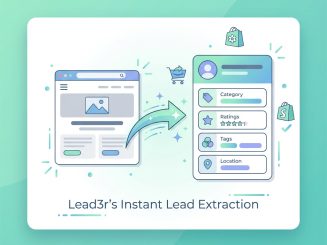
Instead of digging through tabs and interpreting vague clues, you get a clean, structured profile in one click that includes:
- Shop details
- Category and niche clarity
- Engagement indicators
- Listing and brand signals
- Keyword themes
- A shop summary
- A simple 1 to 10 qualification score
The goal is not to overwhelm you with data. The goal is to give you immediate clarity so you can make faster and more confident decisions.
Most users report saving 5 to 10 hours each week because qualification becomes a three second action instead of a multi minute research task.
Why This Matters for Freelancers, Creators and Agencies
If you are managing multiple clients, selling services, or running consistent outreach, your qualification system determines your results.
A fast system means:
- Less wasted time
- Clearer prioritization
- Better outreach angles
- More consistent results
- Higher conversion rates
A slow system means burnout and low output. You cannot scale something that drains your time.
This is why optimized Etsy qualification is not optional. If you want predictable results, you need a workflow that makes lead research effortless.
Final Thoughts
Etsy hides the information you need behind messy layouts and scattered signals, but once you understand what to look for and how to extract it, qualification becomes simple. You do not need spreadsheets, scrapers, or endless manual review. You need clarity.
The fastest way to achieve that clarity is by using a tool that turns Etsy pages into structured insights with one click.
If you want to qualify Etsy shops quickly without guessing, you can install Lead3r free and test the workflow for yourself.
Turn Any Etsy Shop Into a Qualified Lead in Seconds
Stop wasting time opening tabs, copying data, and guessing who is worth contacting.
Install Lead3r and extract fully enriched Etsy shop profiles in one click.
No credit card required
Latest Articles
Stay up to date with practical guides on extracting leads, qualifying prospects, and sending smarter outreach. Every post is written for freelancers, creators, and operators who want faster, clearer prospecting workflows.