5 Signals That Predict Whether an Etsy Shop Will Respond to Outreach
Reaching out to Etsy sellers can feel like a coin flip. Some respond instantly. Others never will. The difference is not random. Most of the time, a seller’s likelihood of replying is visible in their shop before you send a single message. The trick is knowing what to look for.
This article breaks down the five strongest predictors of Etsy seller responsiveness, based on clear behavioral and structural patterns inside the platform. If you work in outreach, consulting, sourcing, or service delivery, these signals can save you days of wasted time
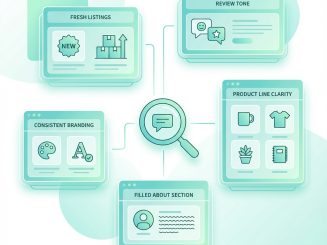
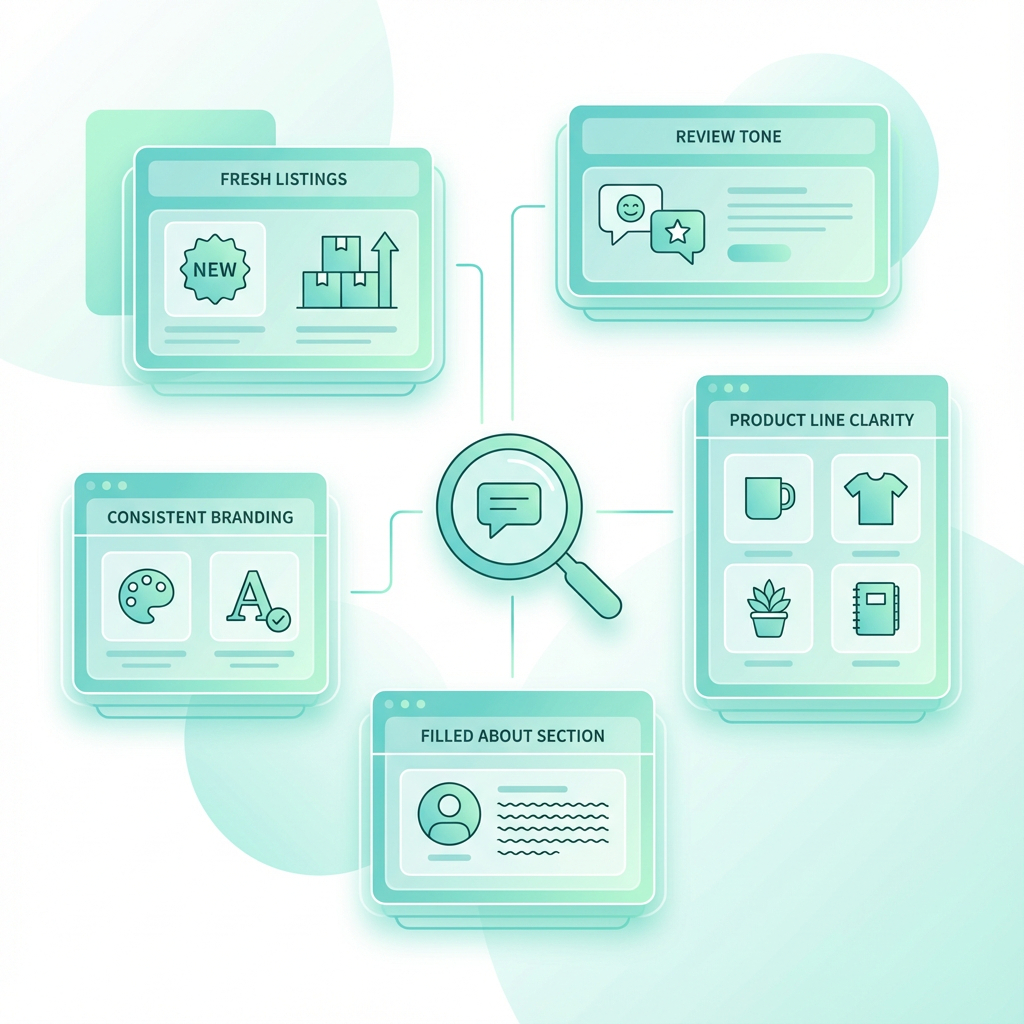
1. Listing Freshness
If a shop is actively maintained, your chances of getting a response immediately rise. Sellers who update their listings, rotate product variations, refresh thumbnails, or add new items are demonstrating that they are present and engaged with their business. Those are the people who are far more likely to reply to an outside inquiry.
In contrast, shops with stale listings often represent abandoned or low-effort operations. If nothing has changed in months, do not expect much.
2. Branding Consistency
Brand quality signals operational maturity. Sellers with consistent photos, polished product descriptions, cohesive theming, and a clear niche tend to treat their store as a serious business. Serious operators are more likely to answer external messages because they understand the value of partnerships, opportunities, and professional outreach.
Sloppy branding does not guarantee a seller will ignore you, but it is a strong negative predictor. If the entire storefront feels chaotic, the owner usually treats the store casually. Casual owners reply casually or not at all.
3. Review Volume and Review Tone
The absolute number of reviews matters, but the tone matters more. Reviews that mention communication, fast shipping, reliability, or custom orders tell you that the seller is engaged and capable of managing messages professionally.
If reviews are sparse or consistently neutral with no mention of service quality, responsiveness is usually weaker. If customers complain about delays or unanswered messages, treat it as a confirmed red flag.
Reviews are not just about reputation. They reveal the seller’s behavior.
4. Product Line Clarity
Sellers who know their niche tend to be easier to reach. A shop with a focused product line shows direction, intent, and a clear understanding of what they sell and who they sell to. These shop owners reply because they already make structured decisions.
Shops with random assortments of unrelated items often lack strong business processes. These owners may not check messages regularly or may be unsure how to handle outside inquiries. If the shop feels scattered, communication usually is too.
5. A Real About Section
This is one of the simplest yet strongest predictors. A complete About section with background, goals, or personal details suggests that the seller is invested in the identity of their shop. They took the time to write something. They care about presentation. They want customers to understand who they are.
Owners who care about their shop’s story usually care about communication as well.
An empty About section does not always mean unresponsive, but a filled one consistently correlates with higher reply rates.
Putting It All Together
You do not need to guess which Etsy sellers will respond. The signals are visible up front. Listing freshness shows presence. Branding consistency shows professionalism. Review tone shows behavior. Product clarity shows maturity. A real About section shows commitment.
When you evaluate these together, you get a fast picture of who is worth contacting and who is not. Your outreach becomes intentional instead of random. You avoid dead ends. You focus on sellers who actually engage.
This is how you cut wasted hours and improve results across the board.
Turn Any Etsy Shop Into a Qualified Lead in Seconds
Stop wasting time opening tabs, copying data, and guessing who is worth contacting.
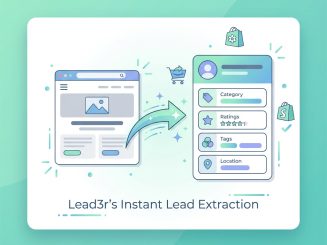
Install Lead3r and extract fully enriched Etsy shop profiles in one click.
No credit card required
Latest Articles
Stay up to date with practical guides on extracting leads, qualifying prospects, and sending smarter outreach. Every post is written for freelancers, creators, and operators who want faster, clearer prospecting workflows.