How to Qualify High-Intent Agencies Using Clutch Profiles

Clutch is one of the best places on the internet to find agencies that are actively selling services. It’s also one of the most frustrating platforms to use for outreach if you don’t have a clear way to qualify what you’re seeing.
On the surface, every agency looks similar. Polished profiles, confident positioning, impressive client logos, and plenty of five-star reviews. But once you start digging, you quickly realize that not all agencies are worth contacting — and many are either too small, too saturated, or simply not a good fit for your offer.
The difference between wasting hours and building a strong outbound pipeline comes down to how you read Clutch profiles and which signals you prioritize.
This guide walks through how to qualify agencies on Clutch efficiently, without guesswork, and without turning prospecting into a full-time research job.
Why Clutch Is Powerful — and Why It’s Easy to Misuse
Clutch works because agencies self-select into it. They’re there to be found. They’re actively positioning themselves for inbound demand, credibility, and deal flow. That alone makes Clutch more valuable than random directories or scraped lead lists.
The problem is that Clutch wasn’t designed for outbound qualification.
Key information is scattered across multiple sections. Important signals are present, but not summarized. And comparing agencies across niches, sizes, or service focus requires a lot of manual effort.
Most people end up doing one of two things:
- Skimming profiles too quickly and reaching out blindly
- Over-researching a small number of agencies and burning time
Neither scales.
What “High-Intent” Actually Means for Agencies
High-intent agencies aren’t defined by how good their branding looks. They’re defined by whether they’re in a position to buy, partner, or respond.
On Clutch, intent shows up indirectly. You’re not looking for a single magic metric — you’re looking for alignment across multiple signals.
Strong candidates tend to show consistency between:
- What they claim to do
- What clients say they do
- How active and current the profile is
- Whether their positioning suggests growth or stability
When those elements align, outreach stops feeling speculative and starts feeling targeted.
The Most Reliable Qualification Signals on Clutch
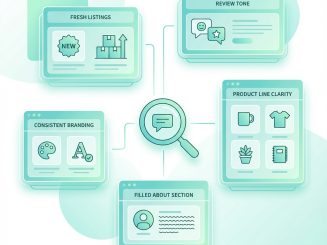
Clutch profiles are dense, but a few areas carry disproportionate weight if you know where to look.
Reviews That Tell a Story
The number of reviews matters less than what they reveal. Repeated mentions of similar services, industries, or outcomes indicate a focused agency rather than a generalist one. Recent reviews also matter more than historical volume, especially if you’re targeting growing teams.
Service Focus and Positioning
Agencies that clearly emphasize a narrow set of services are easier to qualify and easier to pitch. Vague positioning often signals early-stage teams or agencies still experimenting with their offer.
Client Types and Deal Size Signals
Even without exact pricing, Clutch gives clues about deal scale through project descriptions and client profiles. These hints help you avoid pitching enterprise solutions to boutique shops — or vice versa.
Profile Freshness
Updated content, recent reviews, and active descriptions indicate an agency that’s still investing in its presence. Dormant profiles often correlate with lower response rates.
Why Manual Clutch Research Breaks Down Fast
Doing this once or twice is manageable. Doing it across dozens or hundreds of agencies isn’t.
Manual Clutch prospecting usually fails for three reasons:
- You end up re-reading the same sections over and over
- Important signals live in different places on every profile
- Comparing agencies objectively becomes impossible without notes, spreadsheets, or memory shortcuts
At that point, research becomes the bottleneck — not outreach.
This is exactly where structured extraction changes the game.
Turning Clutch Profiles Into Qualified Agency Leads
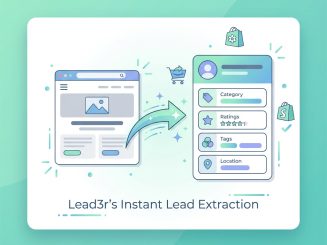
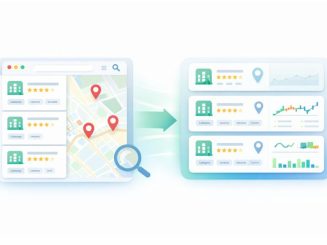
The goal isn’t to automate Clutch. It’s to turn what you’re already looking at into structured, decision-ready information.
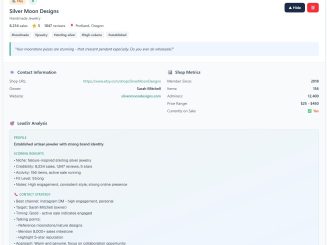
When Clutch profiles are converted into clean, comparable data — services, positioning, credibility signals, and context — qualification becomes faster and more consistent.
This is the same principle behind extracting qualified agency leads from Clutch profiles instead of manually piecing everything together page by page. You still choose which profiles matter, but you stop losing time to friction and repetition.
When Clutch Agencies Are the Right Fit — and When They Aren’t
Clutch-based prospecting works best when:
- You sell to agencies or service businesses
- Your offer benefits established teams, not brand-new freelancers
- Credibility, reputation, or process maturity matters
It’s less effective if you’re targeting early-stage solopreneurs or hyper-local businesses with no agency structure.
Knowing that boundary upfront saves time and improves conversion rates.
Clutch Is a Research Tool — Use It Like One
Clutch isn’t a lead list. It’s a signal-rich environment.
When you treat it like a research layer instead of a directory, your outreach becomes more intentional, more relevant, and far less random.
And when you pair Clutch with a structured way to capture and compare what matters, prospecting stops being guesswork and starts becoming repeatable.
If your workflow depends on identifying agencies worth contacting — not just contacting more agencies — Clutch is one of the strongest platforms to build around.
Start Qualifying Agencies Without Guesswork
Stop skimming Clutch profiles and hoping you remember what mattered.
Turn agency profiles into structured, qualified leads you can actually act on.
Explore how to extract and qualify agency leads from Clutch profiles in seconds and focus your outreach where it has the highest chance of converting.
No credit card required
Latest Articles
Stay up to date with practical guides on extracting leads, qualifying prospects, and sending smarter outreach. Every post is written for freelancers, creators, and operators who want faster, clearer prospecting workflows.