Automation vs Manual Research vs Hybrid Tools: What Actually Scales
Most conversations about lead generation frame things as a fight.
Manual research versus automation.
Scraping versus “safe” tools.
Speed versus quality.
In practice, teams don’t pick sides. They pick what works well enough for where they are right now.
The real question isn’t which approach is “best.”
It’s which one continues to work as volume, expectations, and pressure increase.
That’s what scale actually means.
Manual Research: Maximum Context, Limited Throughput
Manual research is where almost everyone starts.
You browse platforms directly. You open profiles. You read descriptions, reviews, and websites. You rely on your judgment to decide whether a business feels like a fit.
This approach is powerful because it preserves context. You see what customers see. You notice nuance. You can trust your conclusions because you formed them yourself.
The limitation isn’t accuracy. It’s endurance.
As volume increases, consistency drops. Notes get messy. Signals blur together. What felt obvious while browsing becomes harder to explain later. The cost isn’t just time — it’s decision fatigue.
Manual research scales in insight, not in throughput.
Automation and Scraping: High Throughput, Thin Context
Automation exists because manual work hits a ceiling.
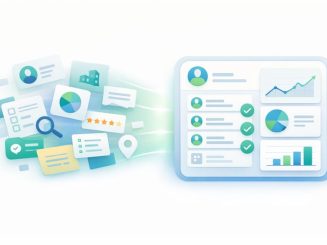
Scraping tools, bulk extractors, and automated pipelines are designed to remove friction. They shine when speed matters more than nuance and when downstream systems can handle filtering and enrichment.
For some use cases, that tradeoff makes sense.
But automation changes the nature of the decision. Instead of asking “Is this business worth contacting?” you’re often asking “Can this lead be filtered later?”
That shift matters.
Context tends to get flattened. Signals that are obvious when viewing a profile disappear when reduced to rows and columns. And the more automated the workflow becomes, the more fragile it can be when platforms change layouts or access patterns.
Automation scales volume. It doesn’t automatically scale judgment.
Hybrid Tools: Supporting Judgment Instead of Replacing It
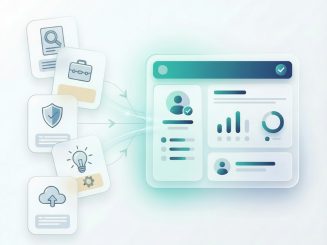
Hybrid tools sit between manual research and full automation.
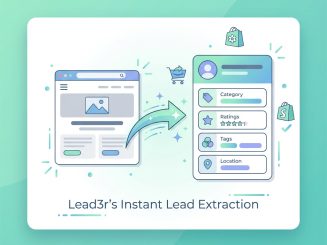
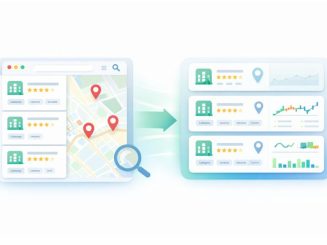
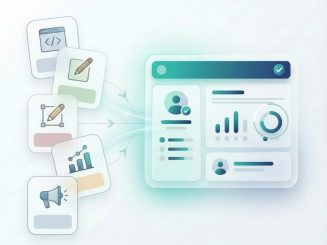
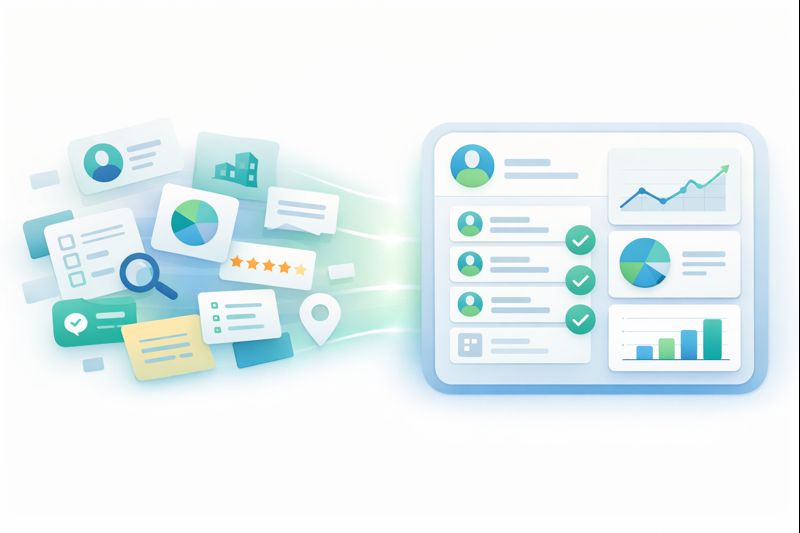
They don’t try to replace browsing. They assume you’ll still open profiles, read pages, and make decisions. What they do instead is capture and structure the signals you’re already looking at.
This changes what “scale” looks like.
You’re not trying to process thousands of leads blindly. You’re trying to make the same quality decision repeatedly without losing context or momentum.
Hybrid workflows reduce the mental cost of research. They preserve reasoning. They make comparisons easier. And they allow you to move faster without switching your brain into autopilot.
Scale here doesn’t come from speed alone. It comes from consistency.
Where Each Approach Breaks
Every lead research approach works — until it doesn’t.
Manual research breaks when decisions depend on memory instead of structure. What felt obvious while browsing disappears the moment you close the tab. Context is lost, comparisons become fuzzy, and follow-up relies on notes that were never designed to scale.
Automation breaks in a different way. When leads are collected without human judgment at the point of discovery, teams spend more time filtering noise than acting on opportunity. Speed increases, but confidence drops.
The real problem isn’t choosing the “wrong” method.
It’s relying on workflows that fail at the moment decisions matter most.
Scaling Is About Preserving Judgment
As teams grow, the bottleneck always shifts.
At first, it’s finding businesses worth looking at.
Later, it’s remembering why a business looked promising in the first place.
That’s where most workflows collapse.
When context lives only in your head or gets flattened into raw data, decision quality degrades. Outreach becomes reactive. Follow-ups lose relevance. Good leads look the same as average ones.
The teams that scale effectively don’t remove judgment from the process.
They capture it while it’s happening.
The Only Mix That Holds Up
There isn’t a single “right” way to prospect — but there is a clear dividing line between workflows that stall and workflows that compound.
Manual browsing without structure eventually slows you down.
Bulk automation without context eventually wastes effort.
The workflows that last are the ones that let you research naturally while turning judgment into usable data — instantly, consistently, and without extra steps.
That’s the difference between prospecting that feels busy and prospecting that actually produces results.
The question isn’t whether you should research manually or automate everything.
It’s whether your process helps you act on what you already know — or quietly loses it.
Final Thought
The goal isn’t to avoid automation or cling to manual work.
The goal is to scale clarity.
When your workflow lets you move faster without losing why a lead looked promising in the first place, growth stops feeling chaotic — and starts feeling repeatable.
Scale Your Prospecting Without Losing Context
Capture the signals you’re already noticing, structure them instantly, and make better outreach decisions — without switching to bulk automation.
Install Lead3r and extract fully enriched leads in one click.
No credit card required
Latest Articles
Stay up to date with practical guides on extracting leads, qualifying prospects, and sending smarter outreach. Every post is written for freelancers, creators, and operators who want faster, clearer prospecting workflows.